
One of the biggest misconceptions about semaglutide is that once you start the medication, you no longer have to think about what you eat.
While semaglutide can be a powerful tool for weight loss, it doesn’t make food choices irrelevant. In fact, what you eat can have a major impact on how comfortable you feel throughout treatment. Many people find that foods they used to enjoy without any issues suddenly leave them feeling bloated, overly full, or even nauseated.
That doesn’t mean you need to follow a strict diet or eliminate your favorite foods forever. The goal is simply to understand how your body may respond differently while taking semaglutide and make adjustments that help you feel your best.
Why Certain Foods Feel Different on Semaglutide
Semaglutide works in several ways to support weight loss, including helping regulate appetite and hunger signals. Many people notice they feel satisfied sooner during meals and stay full longer afterward.
Part of that effect comes from the medication slowing the rate at which food leaves the stomach. While this can help reduce overeating, it can also make certain foods more difficult to tolerate.
Meals that are particularly heavy, greasy, or difficult to digest may sit in the stomach longer than usual, increasing the likelihood of symptoms such as nausea, bloating, or excessive fullness. For some patients, these symptoms are mild and temporary. For others, a few adjustments to food choices can make a noticeable difference in day-to-day comfort.
Foods That Commonly Cause Problems While Taking Semaglutide
There’s no universal list of foods that everyone needs to avoid, but certain foods tend to cause more problems than others. If you’re experiencing digestive side effects while taking semaglutide, these are often the first areas worth evaluating.
Common symptoms may include:
- Nausea after meals
- Bloating or stomach pressure
- Feeling uncomfortably full for long periods of time
- Indigestion or stomach discomfort
- Reduced tolerance for foods that never caused issues before
1. Fried and Greasy Foods
Fried foods are often one of the first things people notice they tolerate differently.
Foods like french fries, fried chicken, fast food meals, and greasy takeout tend to be high in fat, which naturally takes longer to digest. When digestion is already moving more slowly, these meals can leave you feeling uncomfortable long after you’ve finished eating.
Many patients find that reducing fried foods helps decrease nausea and that lingering “too full” feeling that can sometimes occur during treatment.

2. Highly Processed Foods
Highly processed foods aren’t always problematic because of digestive side effects alone. They’re also less likely to provide the nutrition and satiety that support long-term weight loss success.
Packaged snack foods, chips, sugary cereals, and many convenience meals are often calorie-dense while offering relatively little nutritional value. As a result, they may leave you feeling less satisfied despite consuming more calories than you realize.
Because semaglutide often reduces overall food intake, many patients find it helpful to prioritize foods that provide more protein, fiber, and nutritional value with each meal.
3. Sugary Foods and Desserts
Many people are surprised to discover that their cravings for sweets change after starting semaglutide.
Candy, pastries, cookies, ice cream, and sugary drinks often become less appealing than they were before treatment. While occasional treats can still fit into a balanced lifestyle, regularly consuming large amounts of sugar may work against your weight loss goals and contribute to fluctuations in energy throughout the day.

4. Alcohol
Alcohol affects people differently during treatment, but it’s not unusual to notice that drinks you previously tolerated well now leave you feeling nauseated, dehydrated, or uncomfortable.
Because hydration is especially important while taking semaglutide, alcohol can sometimes make digestive symptoms more noticeable. It also contributes additional calories that may slow progress toward weight loss goals.
5. Carbonated Beverages
If bloating has become more noticeable since starting semaglutide, carbonated beverages may be contributing.
The gas in soda, sparkling water, energy drinks, and other fizzy beverages can increase feelings of pressure and fullness in the stomach. While not everyone experiences this issue, reducing carbonated drinks is often a simple adjustment that can improve comfort.
6. Large Meals and Oversized Portions
Sometimes the challenge isn’t a particular food. It’s simply eating more than your body is comfortable handling at one time.
Many people begin semaglutide using the same portion sizes they’ve always eaten, only to discover that their appetite has changed significantly. Continuing to eat beyond fullness can lead to nausea, stomach discomfort, and an uncomfortable feeling of heaviness.
Learning to stop when comfortably full rather than completely full is one of the most important habits many patients develop during treatment.
What Should You Eat Instead?
Knowing what may trigger symptoms is helpful, but most people find it’s easier to focus on what they can enjoy rather than what they should avoid.
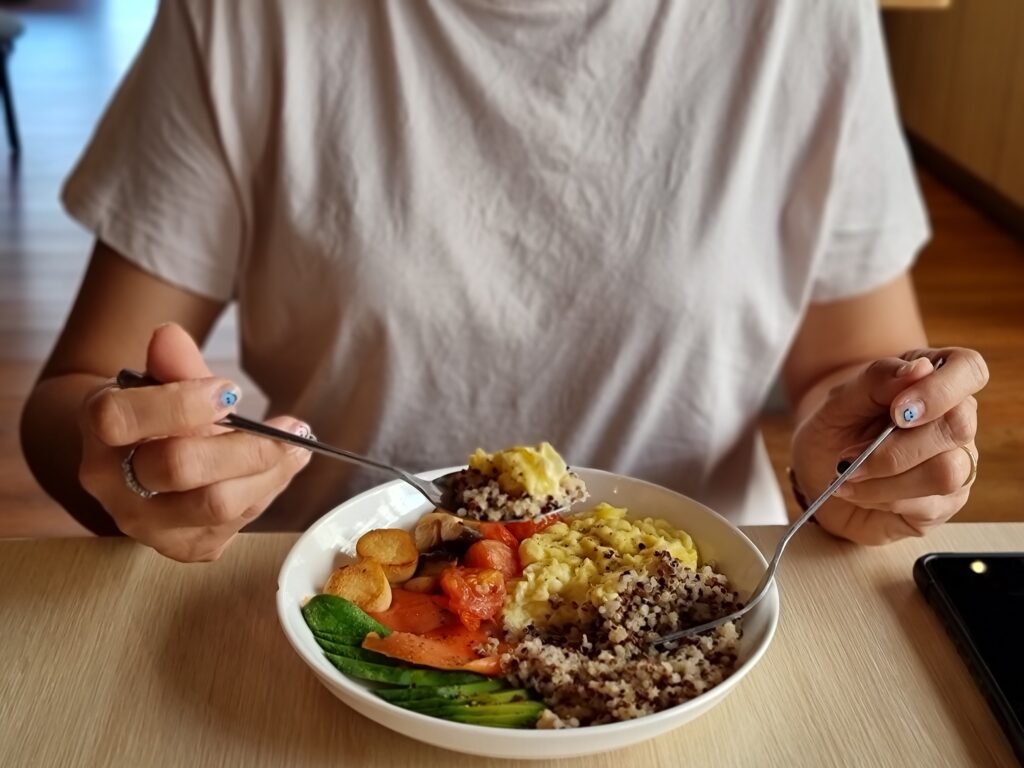
Many patients feel their best when meals are built around protein-rich, balanced foods such as:
- Lean proteins like chicken, turkey, fish, eggs, and Greek yogurt
- Fruits and vegetables
- Whole grains
- Healthy fats in moderation, including avocado, nuts, and olive oil
- Plenty of water throughout the day
These foods tend to provide steady nutrition, support satiety, and are often easier to tolerate while adjusting to treatment.
Rather than searching for a perfect diet, focus on consistency. Small, sustainable choices made day after day typically have a greater impact than any short-term eating plan.
Small Eating Habits That Can Make Semaglutide Easier to Tolerate
Food choices matter, but eating habits can be just as important.
Many patients notice they feel better when they:
- Eat slowly and give fullness signals time to catch up
- Stop eating when comfortably satisfied
- Stay hydrated throughout the day, especially if nausea or reduced appetite makes it harder to eat and drink normally.
- Avoid skipping meals and overeating later
- Take note of foods that consistently trigger symptoms
These simple habits can help reduce discomfort while making it easier to stay on track with your weight loss goals.
When Should You Talk to Your Provider?
Mild digestive symptoms can be common when starting semaglutide or increasing your dosage. However, ongoing symptoms shouldn’t be ignored.
It’s important to contact your provider if you’re experiencing:
- Persistent nausea that isn’t improving
- Vomiting
- Significant abdominal discomfort
- Difficulty staying hydrated
- Concerns about getting adequate nutrition
Medical supervision helps ensure your treatment remains safe, effective, and tailored to your individual needs.

The Goal Isn’t Restriction. It’s Sustainability
One of the biggest advantages of semaglutide isn’t just that it can help reduce appetite. It often gives people an opportunity to pay closer attention to their eating habits than they have in years.
Along the way, many patients discover that certain foods leave them feeling energized and satisfied, while others consistently make them feel uncomfortable. That awareness can be just as valuable as the number on the scale.
Successful weight loss isn’t about following a perfect diet or eliminating every treat. It’s about building habits that feel realistic, sustainable, and supportive of your long-term health.
Every person’s experience with semaglutide is different. Having professional guidance can make it easier to navigate side effects, adjust habits, and build a plan that supports long-term success.
Ready to Learn More About Medical Weight Loss?
Whether you’re considering semaglutide for the first time or looking for guidance throughout your weight loss journey, personalized support can make a meaningful difference.
At Oviedo Med Spa, our medically supervised weight loss program is designed to help patients achieve their goals safely through ongoing monitoring, education, and individualized recommendations tailored to their needs. Schedule a consultation today to learn whether semaglutide may be right for you and discover how a customized medical weight loss plan can support your long-term success.